Your Cycle Has Four Phases and Your Skin Lives in All of Them
Progesterone spikes. Sebum surges. The same routine stops working. Here is what is actually happening to your skin in the luteal phase, and what to do about it.
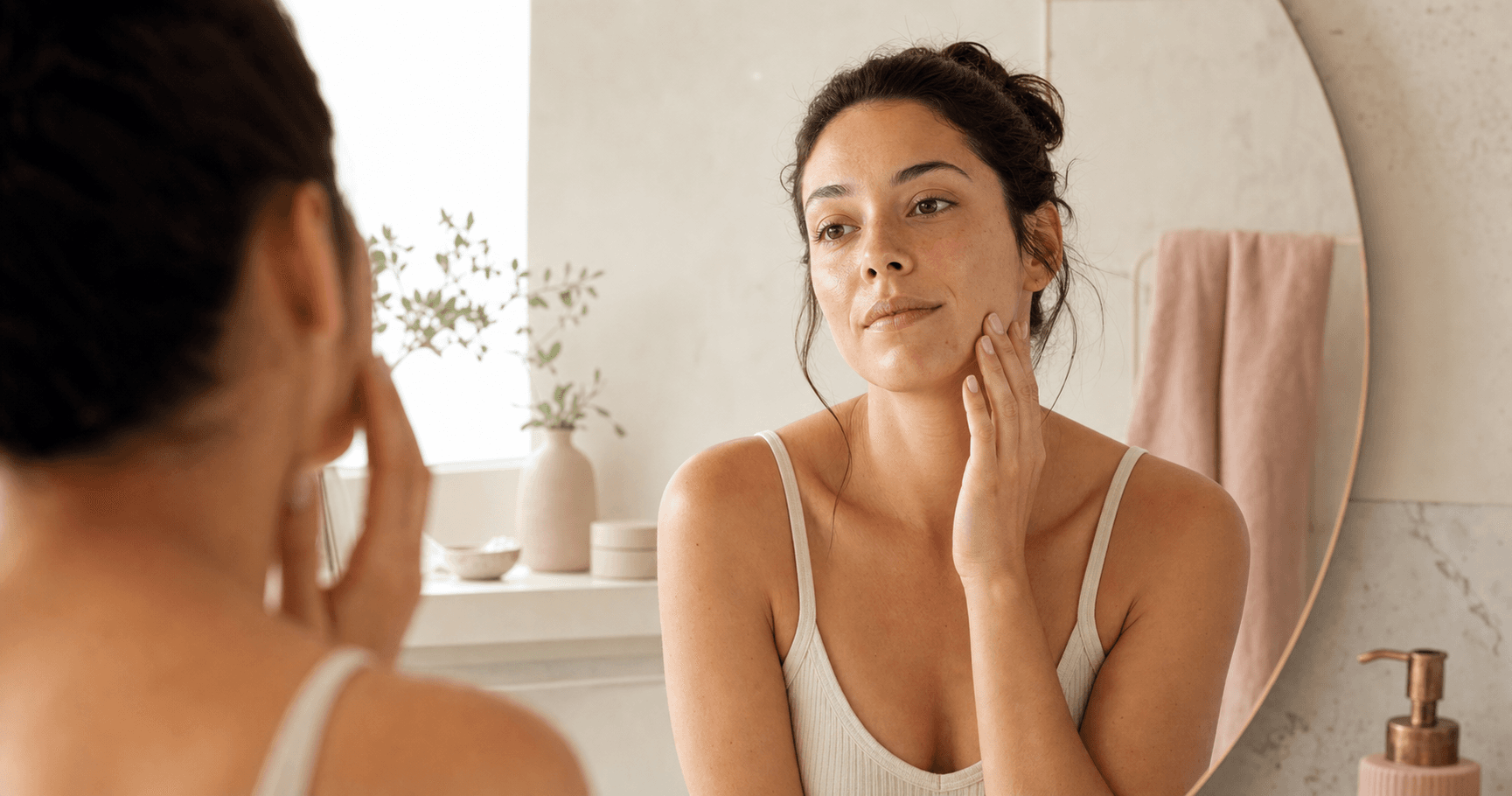
Four phases, and your skin responds to every one
Most women think of their cycle as just their period. But your menstrual cycle is actually four distinct phases, each one driven by a different hormonal environment, and your skin responds to every single one of them.
The four phases are menstrual, follicular, ovulation, and luteal. Each one changes what your skin needs, how it behaves, and how resilient it is to the products you use.
The phase responsible for those frustrating pre-period breakouts is the luteal phase. Understanding what happens during this phase is the key to finally doing something about it.
What is the luteal phase
The luteal phase begins after ovulation, roughly around day 15 of a 28-day cycle, and lasts until the first day of your next period. That is approximately two weeks of hormonal changes that directly affect your skin.
During this phase, progesterone rises sharply. Progesterone is the hormone responsible for preparing your body for a potential pregnancy. But it has a significant side effect that most women have never been told about: it dramatically increases sebum production.
Sebum is your skin's natural oil. Under normal circumstances it protects and moisturizes your skin. But when progesterone spikes, your sebaceous glands produce far more sebum than your skin needs. That excess oil mixes with dead skin cells, clogs your pores, and creates the perfect environment for breakouts.
At the same time, estrogen, which kept your skin balanced, plump, and clear during the follicular phase, drops significantly. Without estrogen's balancing effect, your skin becomes more vulnerable to inflammation. Existing clogged pores become angry. New breakouts form faster. Your skin feels different because it genuinely is different.
This is why the breakouts you get before your period are not random. They follow the same pattern every single month because your hormones follow the same pattern every single month.
Why the same routine stops working
Most skincare advice treats your skin as a constant: the same skin every day of the month, needing the same products in the same amounts. But your skin is not constant. It changes every single week.
During your follicular phase your skin is balanced, resilient, and can handle more active ingredients. This is the window where your actives (retinol, AHAs, BHAs) work most effectively and with the least irritation.
During ovulation your skin is at its peak. Estrogen is highest. Your complexion is naturally luminous.
During the luteal phase everything shifts. Oil production goes up. Sensitivity increases. Inflammation is more likely. The rich moisturizer that felt perfect in week two now feels heavy and pore-clogging. The exfoliating serum that worked beautifully last week is now contributing to irritation.
Using the same routine across all four phases means you are always treating the wrong version of your skin with the wrong products at the wrong time. That is why nothing sticks.
What your skin actually needs in the luteal phase
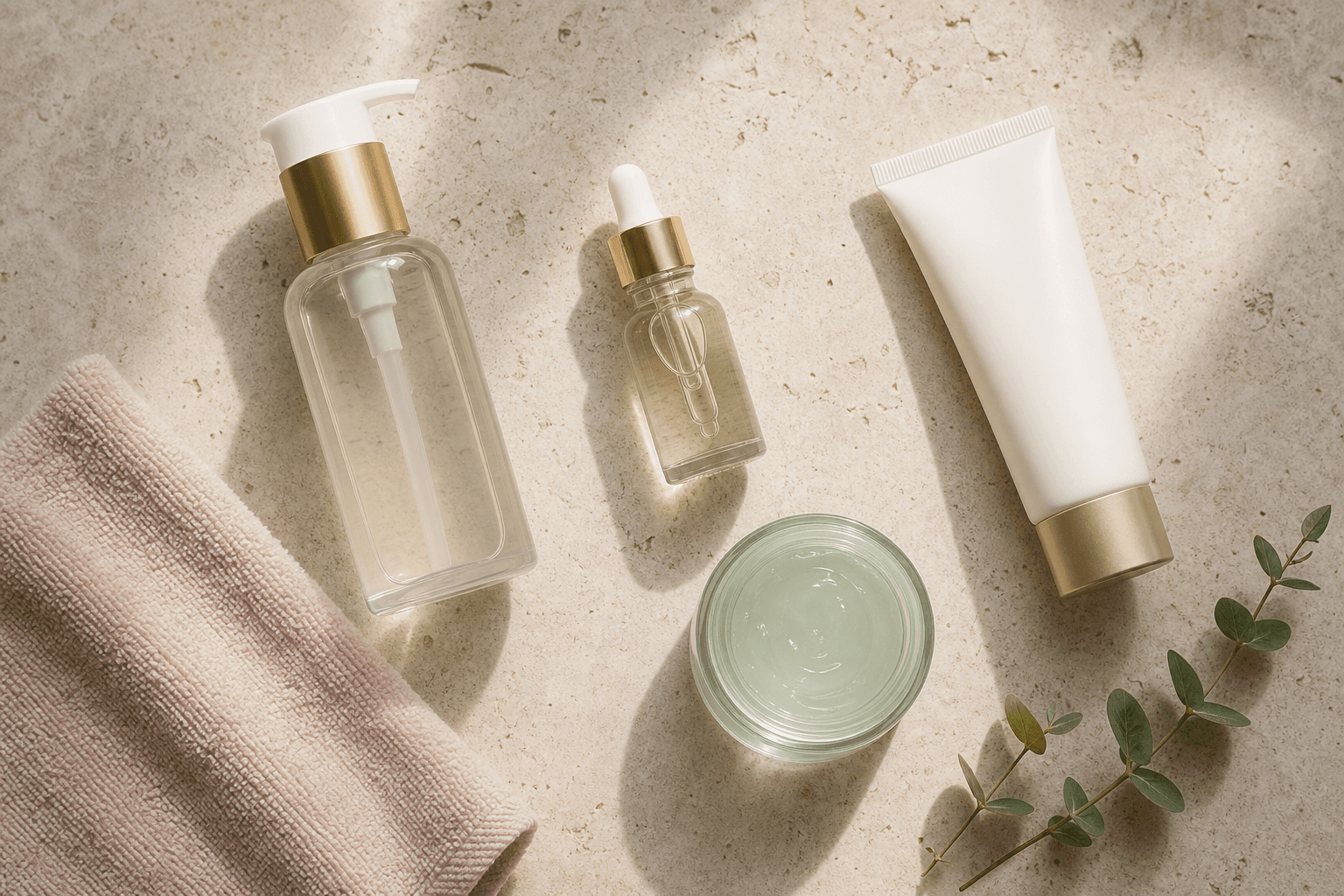
The goal during your luteal phase is to get ahead of the sebum spike before it becomes a breakout.
Reach for salicylic acid. Salicylic acid is oil soluble, which means it penetrates inside the pore rather than just working on the surface. During the luteal phase when your pores are filling with excess sebum, salicylic acid dissolves that buildup before it becomes an inflamed breakout. Switch to a salicylic acid cleanser around day 15 and use it consistently through the end of your cycle.
Add niacinamide. Niacinamide is one of the most effective ingredients for regulating sebum production. It signals to your skin to produce less oil without stripping or drying. It also calms the inflammation that makes luteal phase breakouts so visible. A niacinamide serum used morning and evening during this phase is one of the most impactful changes you can make.
Lighten your moisturizer. The rich creamy moisturizer you love during the dry, low-estrogen days of your menstrual phase can contribute to congestion during the luteal phase. Switch to a lighter gel or water-based moisturizer when progesterone is high and sebum production is already elevated.
Put the heavy actives on hold. Retinol and strong exfoliating acids are powerful tools, but during the luteal phase your skin barrier is more vulnerable and reactive. If these ingredients cause irritation in the week before your period, consider reducing their frequency or pausing them entirely until your follicular phase returns.
Do not skip SPF. Hormonal fluctuations during the luteal phase can increase your skin's sensitivity to UV damage and worsen hyperpigmentation from existing breakouts. Sunscreen is non-negotiable year round, but especially during this phase.
The pattern is the most important discovery
Most women spend years fighting individual breakouts without ever seeing the pattern beneath them. They try a new cleanser. They change their diet. They blame stress. They blame their pillowcase. But the breakouts keep coming at the same time every month because the hormonal pattern is consistent.
Your skin is responding exactly the way it is designed to respond to progesterone. The problem was never your products. The problem was not knowing your pattern.
When you start tracking your cycle alongside your skin you begin to see the connection clearly. You notice that your skin is clearest in week two. You notice the oiliness creeping in around day 18. You catch the breakout before it forms instead of treating it after it arrives.
That shift from reactive to preventive is everything.
How Belia helps
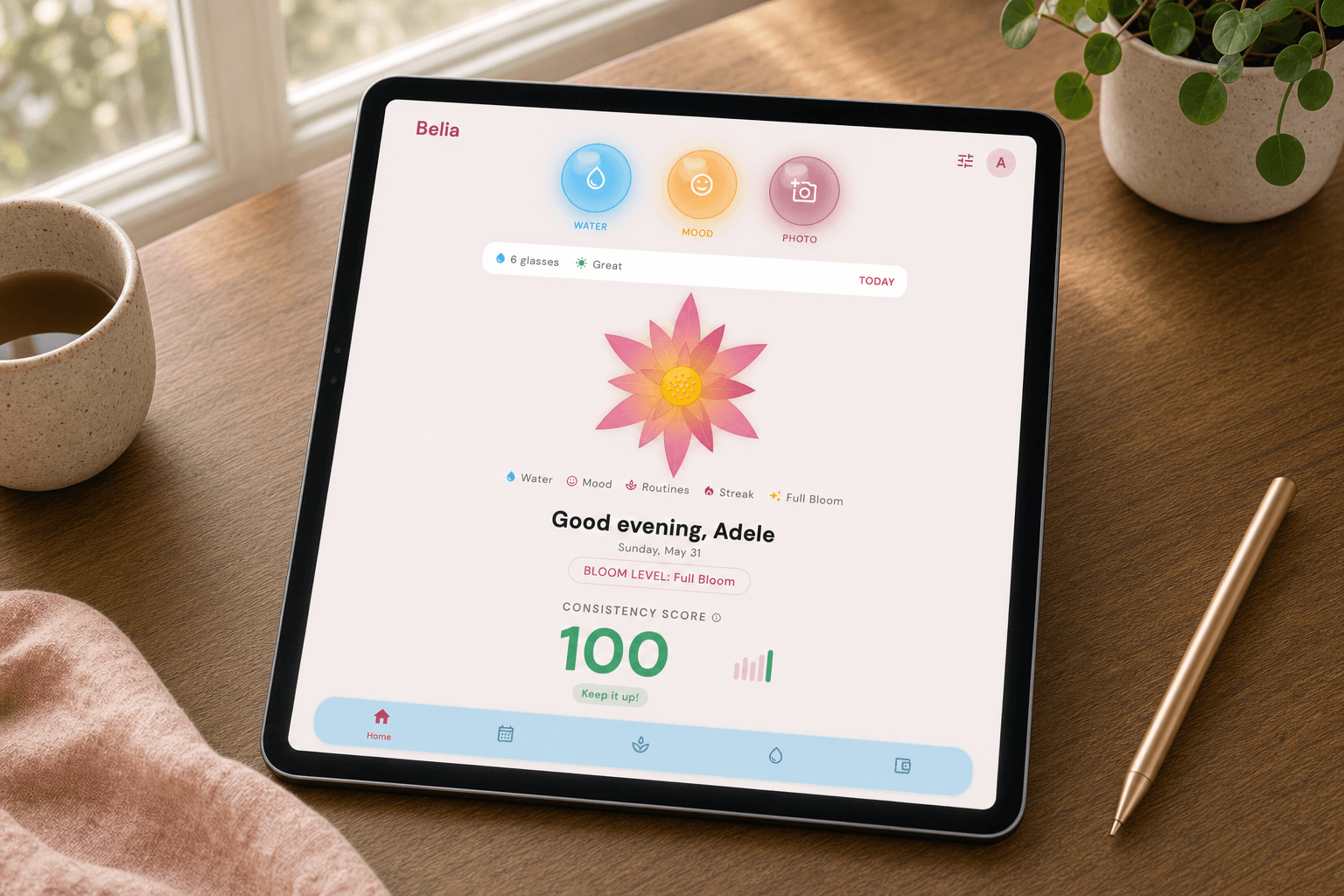
Belia connects your cycle to your beauty routine so you always know exactly what your skin needs today. Not this month, not this week, today.
When you are in your luteal phase Belia tells you. It surfaces the skin tips specific to that phase so you know to reach for your salicylic acid cleanser, lighten your moisturizer, and add niacinamide before the progesterone spike hits.
It tracks your cycle, your routines, and your progress photos all in one place, completely privately on your phone. No account. No login. No server. Your cycle data never leaves your device.
Because understanding your cycle is powerful. And that understanding belongs to you.
Download Belia free in the App Store. No credit card. No account. No risk.
The information in this article is for general educational purposes only and is not intended as medical advice. Always seek guidance from a qualified healthcare professional for any health concerns or before making changes to your health routine. Belia does not store, share, or transmit your personal health data. All information you log stays on your device.